

Publications
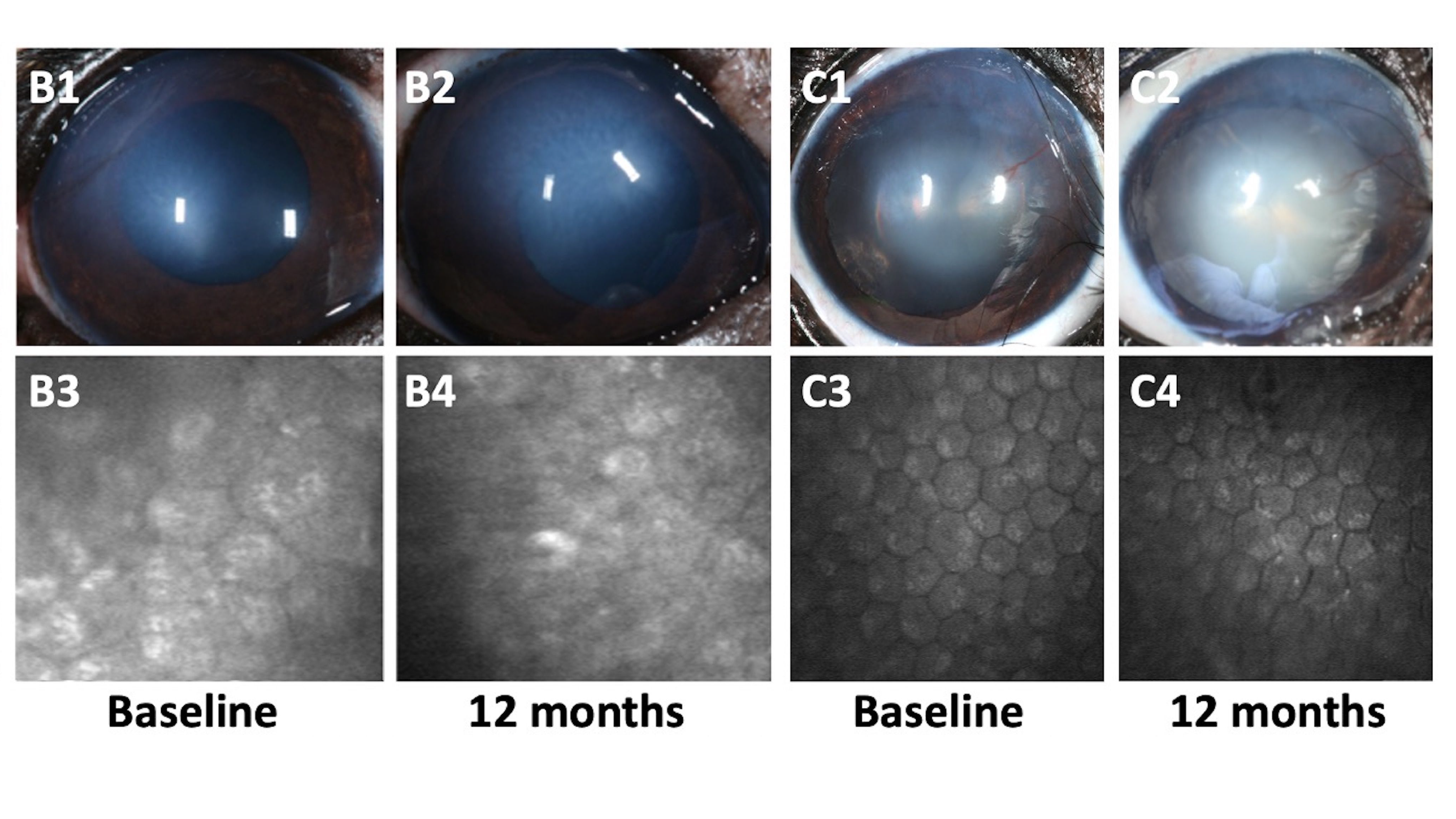
A new treatment for canine corneal endothelial disease
Topical ripasudil offered a therapeutic benefit in a subset of patients using a canine model of endothelial degeneration, which may guide future trials in humans.
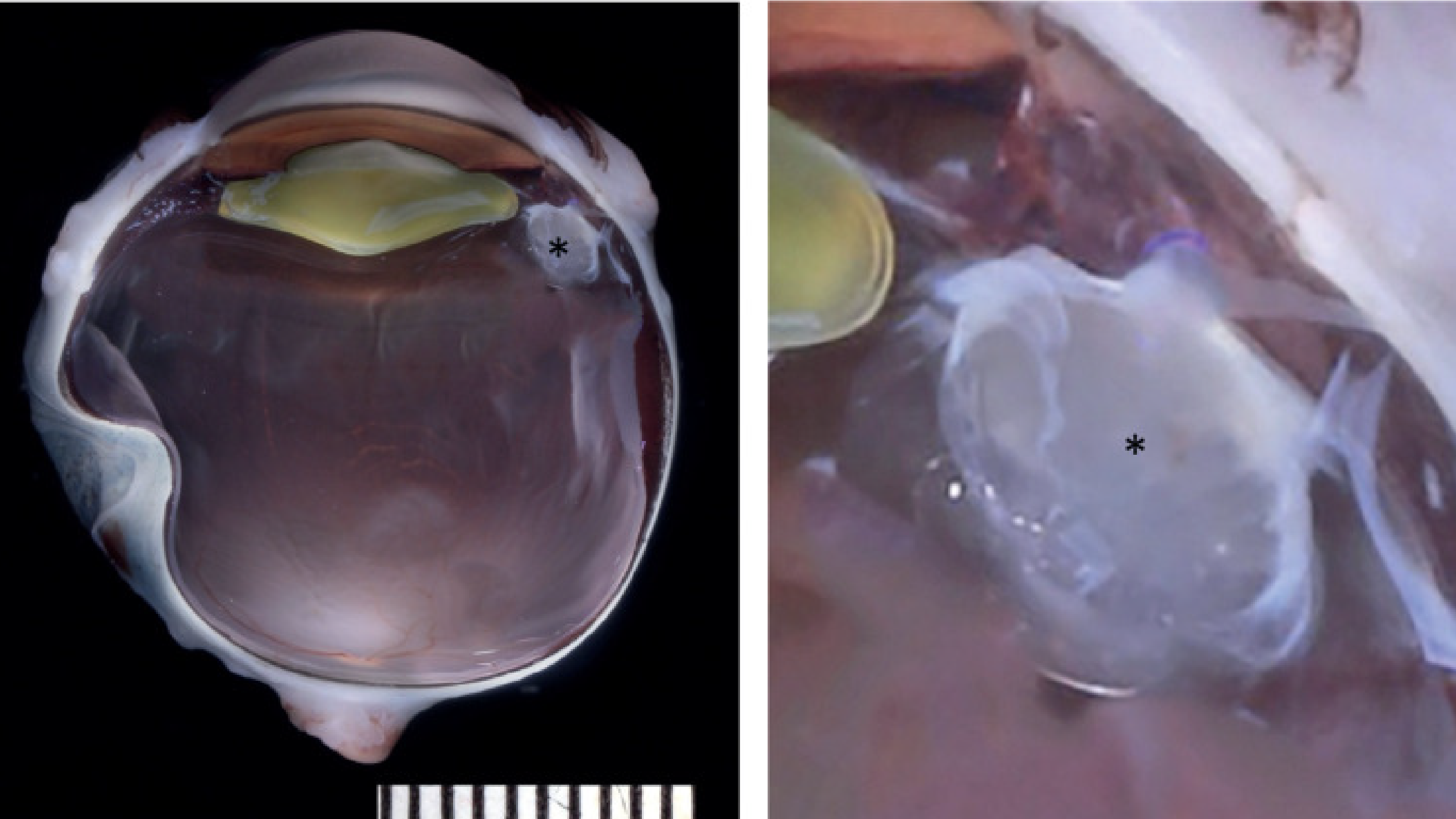
A novel drug delivery system
Aflibercept-DDS may be a more effective method to deliver bioactive antivascular endothelial growth factor agents than current practice by reducing the frequency of intravitreal injections and providing controlled drug release.
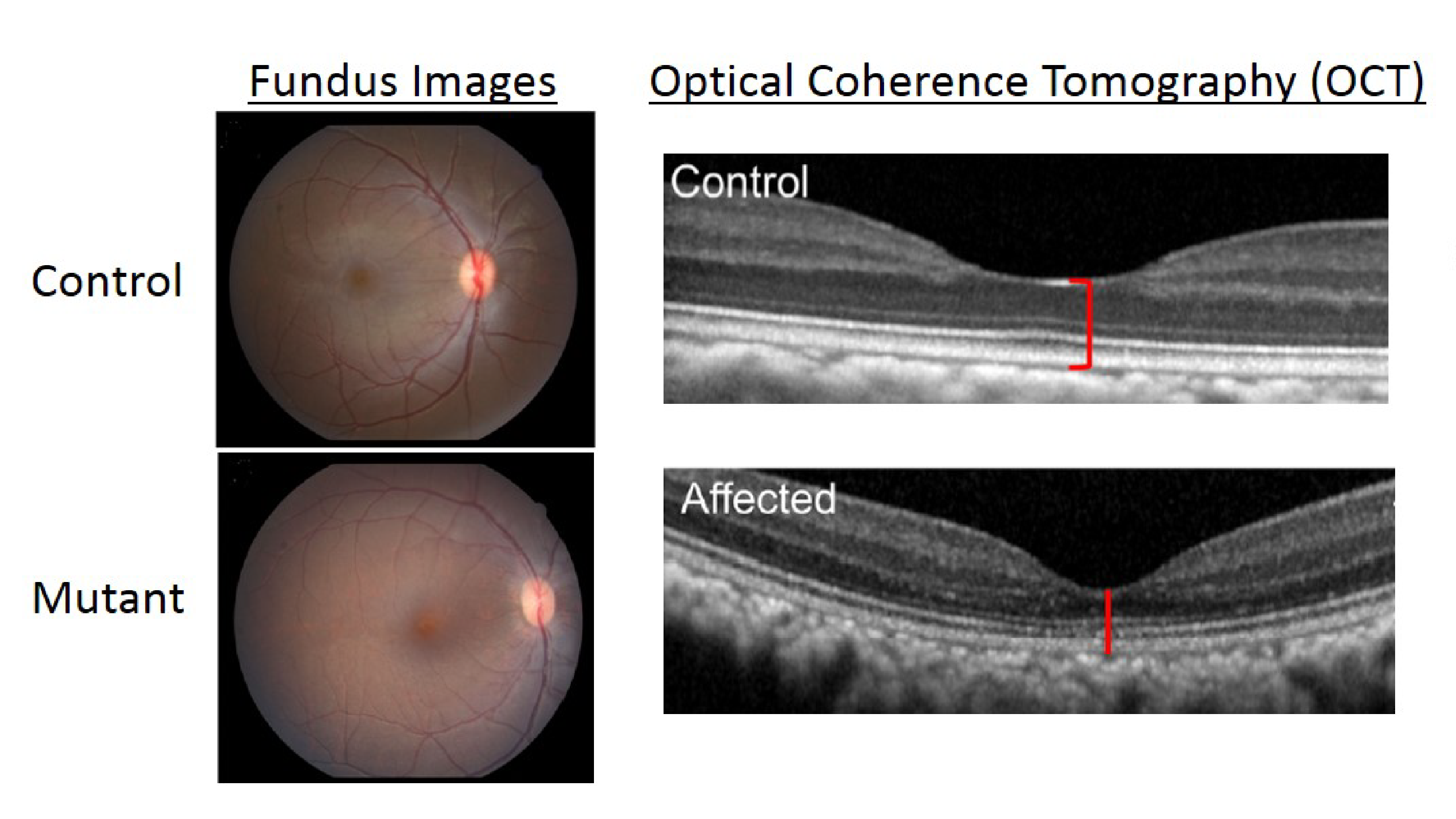
A monkey model of achromatopsia
This NHP model of a cone disorder will not only serve as a therapeutic testing ground for achromatopsia gene replacement, but also for optimization of gene editing in the macula and of cone cell replacement in general.

A monkey model of autosomal dominant optic atrophy.
Optic neuropathies due to heritable diseases are a common cause of blindness in humans, but limited therapies currently exist for the vision loss that occurs from them. One such condition is autosomal dominant optic atrophy (ADOA), an inherited optic neuropathy primarily caused by mutations in OPA1. We identified and defined a spontaneous NHP model of ADOA using rhesus macaques heterozygous for a missense mutation (OPA1A8S). With ocular examinations, imaging, electrophysiology, and microscopic examination of retinal tissues, we identified RGC loss and dysfunction, optic nerve atrophy, as well as mislocalization of OPA1 in the retina. This NHP model of ADOA closely recapitulates the human disease and will be an ideal model to test novel therapeutic interventions.

Squishy matters – Corneal mechanobiology in health and disease.
We provide an overview of mechanotransduction signaling pathways then delve into the recent advances in corneal mechanobiology, focusing on the interplay between mechanical forces and responses of the corneal epithelial, stromal, and endothelial cells. We also identify species-specific differences in corneal biomechanics and mechanotransduction to facilitate identification of optimal animal models to study corneal wound healing, disease, and novel therapeutic interventions.
Read More
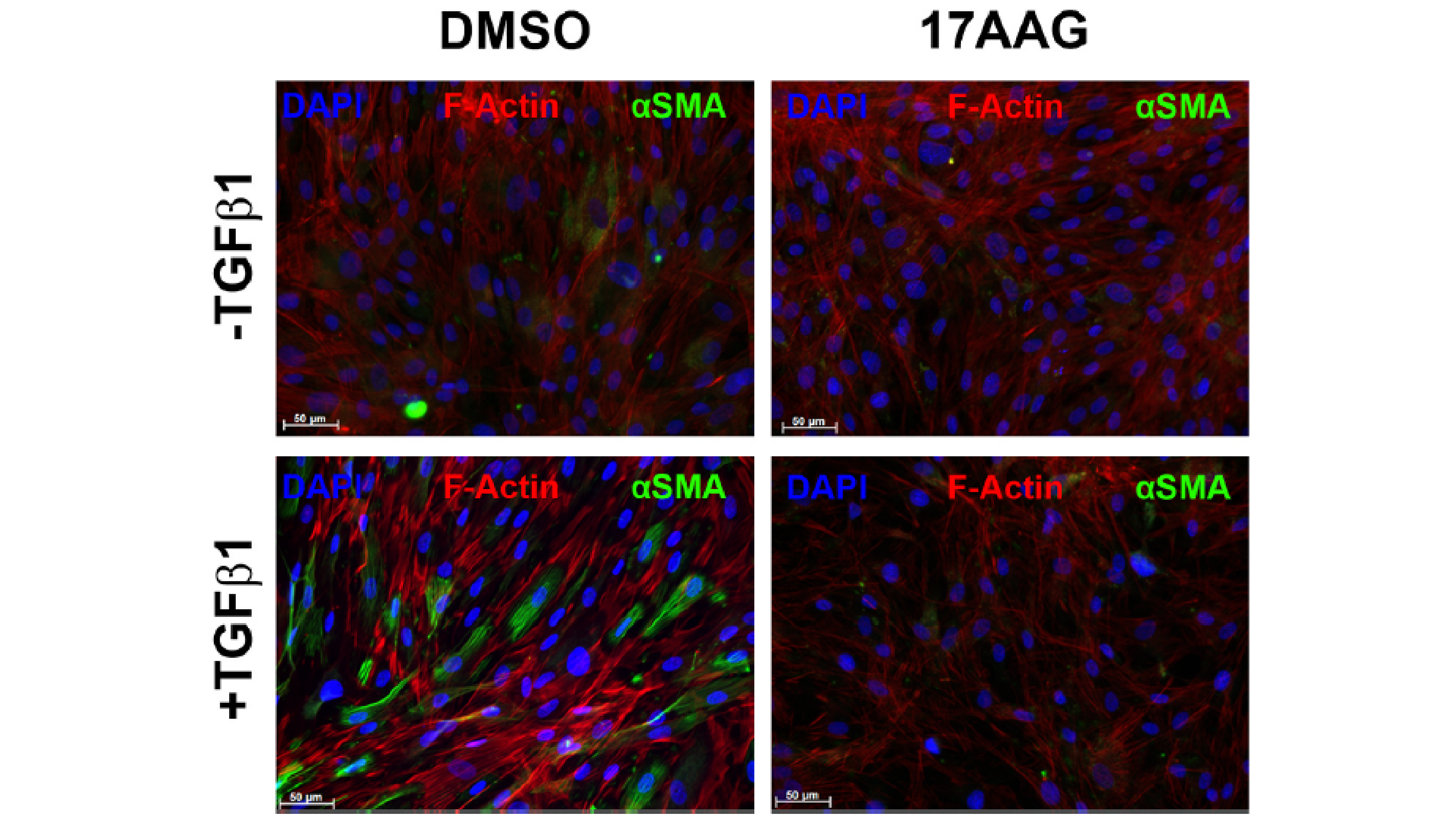
The impact of Hsp90 inhibition on KFM transformation
Hsp90 inhibition promoted reversion of the myofibroblast to keratocyte phenotype, although this only occurred on rigid substrates. By contrast, in vivo Hsp90 inhibition was detrimental to corneal wound healing likely due to impairment in corneal epithelial closure and barrier function restoration. Collectively, our data demonstrated a strong interplay in vitro between biophysical cues and soluble signaling molecules in determining corneal stromal cell phenotype.
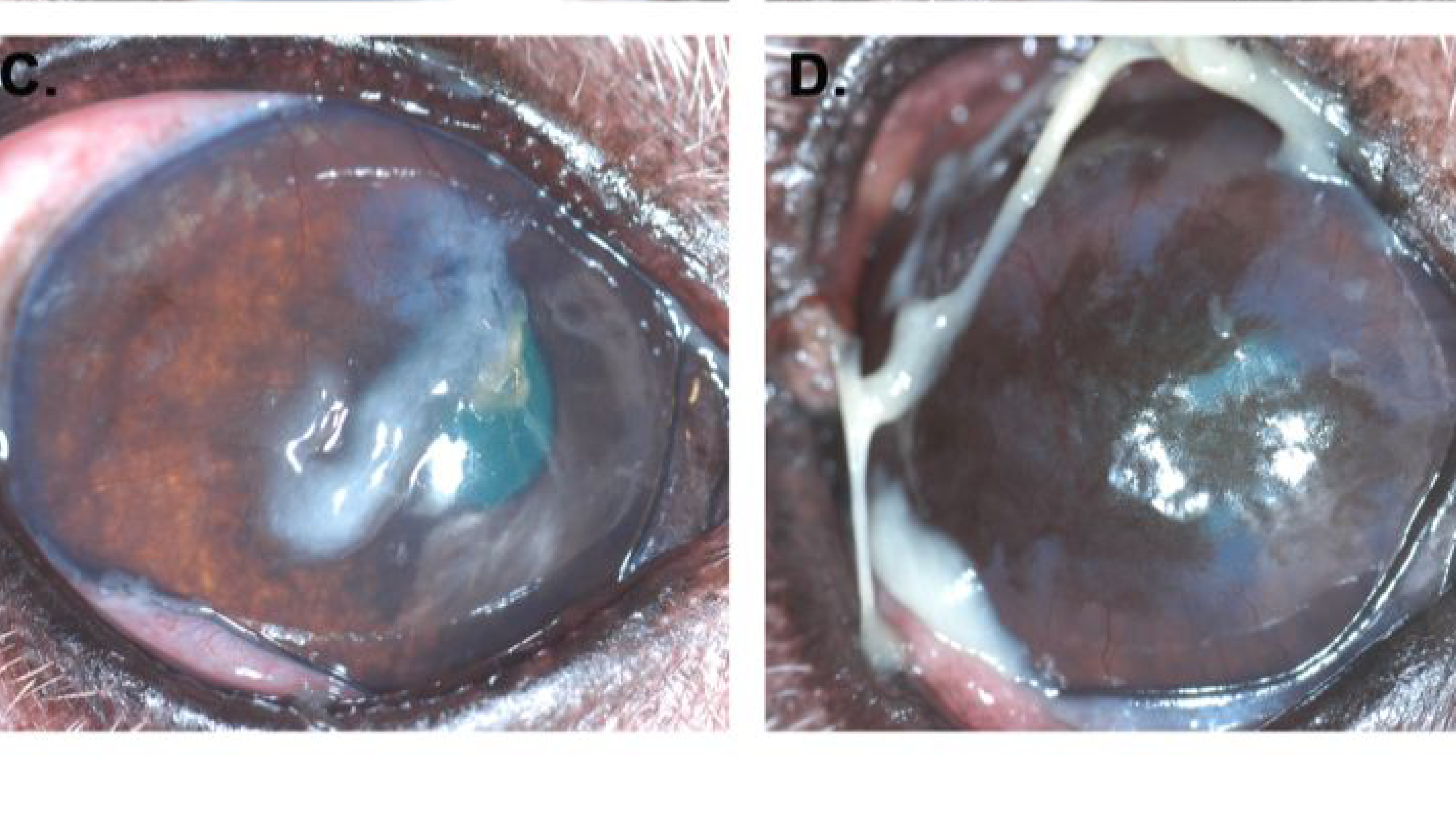
Dry eye disease in dogs as a model of the human disease
This comprehensive assessment of ADDE-affected WHWTs depicts the ocular surface changes associated with quantitative lacrimal gland dysfunction. Importantly, ADDE-affected WHWTs may prove a valuable naturally occurring ADDE model for investigating underlying pathophysiological mechanisms and the development of novel therapeutics.
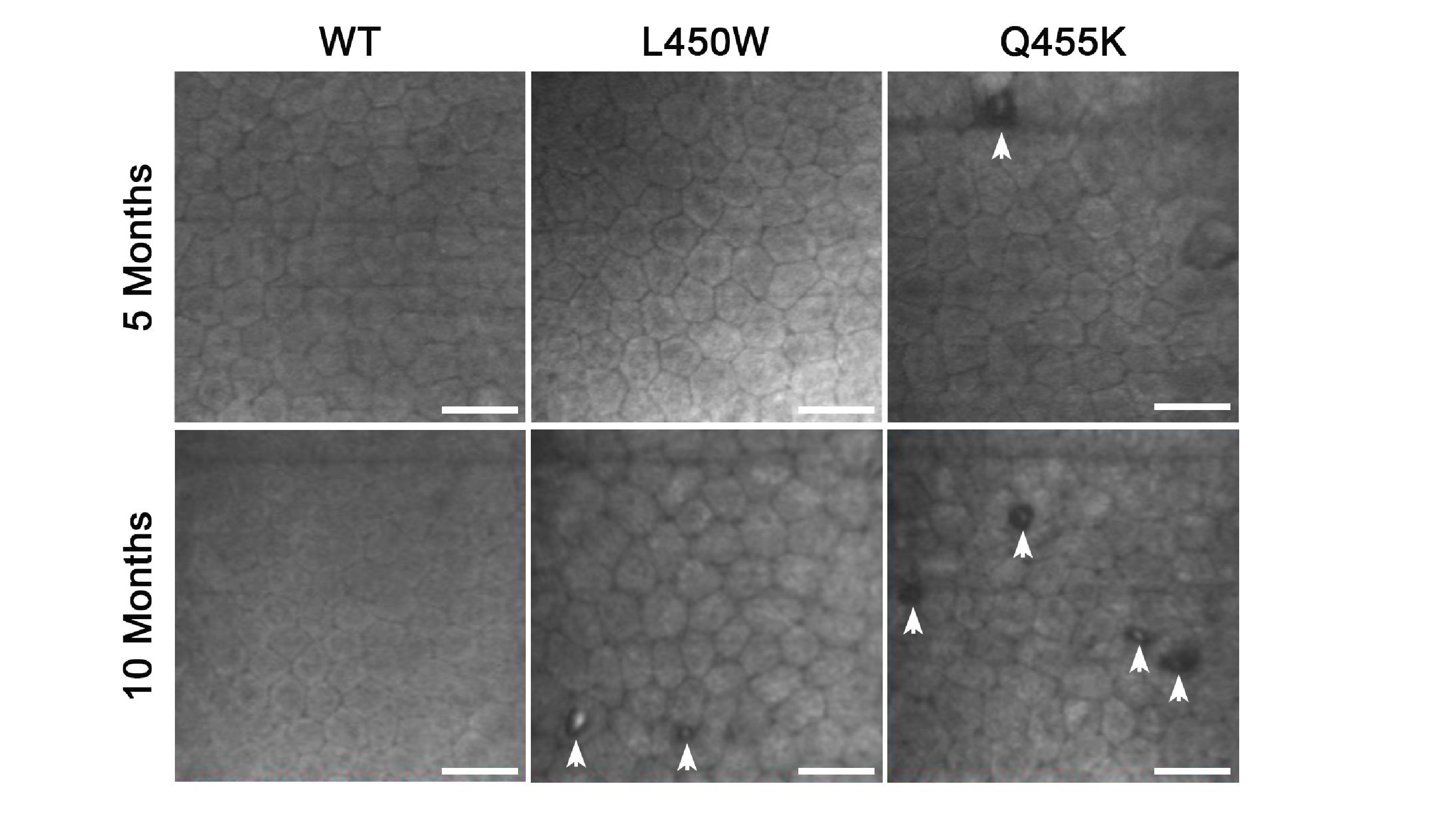
Biomechanical changes to Descemet's membrane precede endothelial loss in a murine model of FECD
These data indicate that alterations in the tissue compliance of DM precede phenotypic changes in endothelial cell count and morphology, and may play a role in onset and progression of FECD.